
The River Runs Under the City Now: DigIndy and the White River
Twenty-eight miles of tunnel 250 feet down, capturing what used to overflow into the White River: DigIndy is Indianapolis's largest public work, and it is invisible by design.
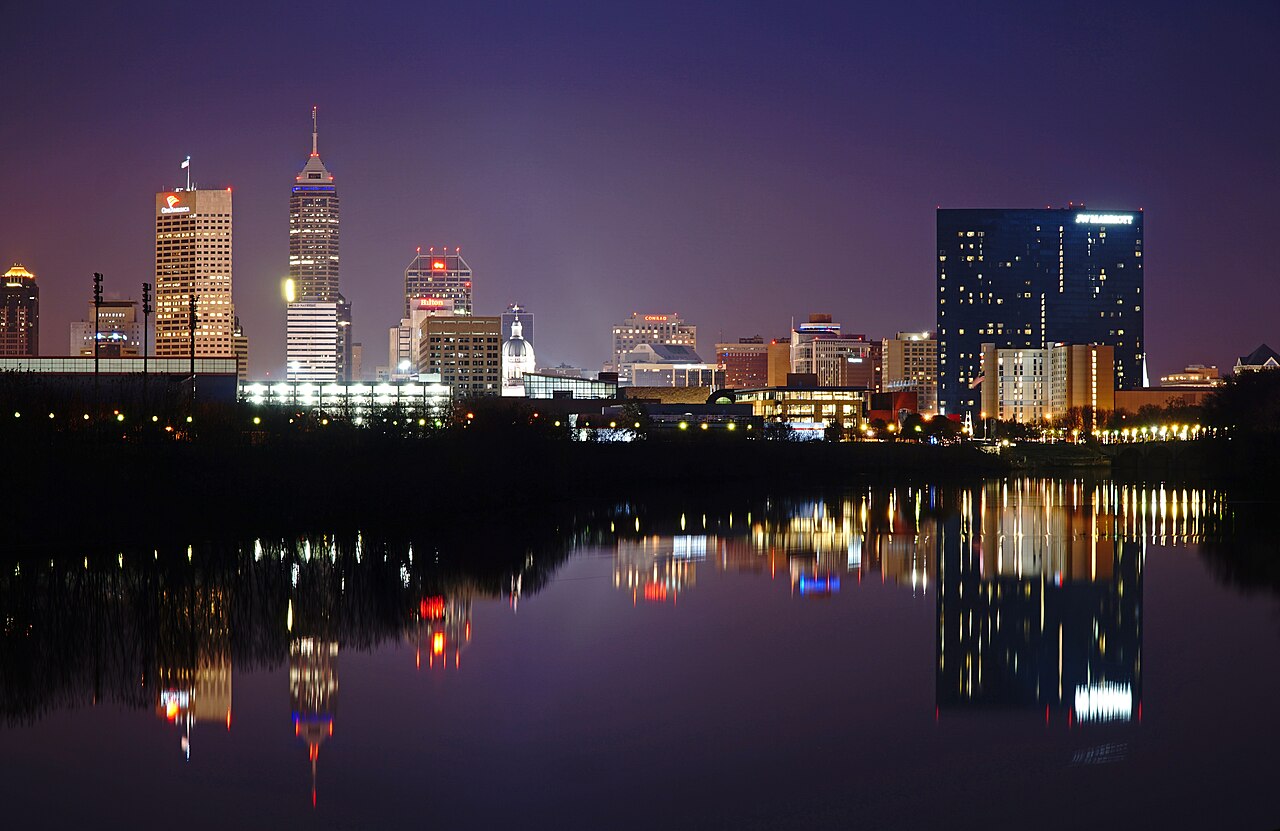
Beneath Indianapolis runs the largest public works project in the city's history, and it was built to catch what the nineteenth century let go. The White River and its tributaries, for most of the city's life, received the overflow of a combined sewer system — storm water and sewage in the same pipes — that discharged into the river at more than a hundred overflow points whenever a hard rain fell. The DigIndy Tunnel System, Citizens Energy Group's answer under a federal consent decree, is a network of tunnels bored some 250 feet below the city, twenty-eight miles of them, built to capture those overflows and hold them for treatment.
The engineering is on a civic scale: six tunnel segments under the river and Fall Creek, bored through limestone by machines the project named and schoolchildren visited, connected to drop shafts at the historic overflow points. When the system is fully operational, the tunnels capture the great majority of what once went to the river — federal filings projected the reduction in overflow volume at up to 99 percent in a typical year on the system's main reaches, transforming the White River from the city's sewer of last resort into the park-front waterway its new master plan imagines.
Citizens Energy itself is a structure worth the telling: Indianapolis's water and gas utilities are owned by a public charitable trust — a model unique in American utilities, created in the nineteenth century — so the region's water utility answers to a trust for the public's benefit rather than to shareholders or a city hall. The same utility runs the lead service line work the federal rules now require, maintaining the public records by which residents can check their own lines, and the drinking water system drawing on the White River, Fall Creek, and the Morse, Geist, and Eagle Creek reservoirs.
The river's response is the scoreboard residents can see: the White River's water quality measurements, published by the utility and the state, and the river's own returning biology — the bald eagles and herons along the downtown banks are data in feathers.
DigIndy's tunnels are invisible by design, which makes them easy to forget and worth remembering on schedule: every hard rain that no longer ends in the river is the system working. Indianapolis spent two centuries using its river as a drain. It has now spent two decades and billions of the ratepayers' dollars reversing the plumbing. The reversal, largely complete in the mid-2020s, is the city's largest single act of environmental repair.