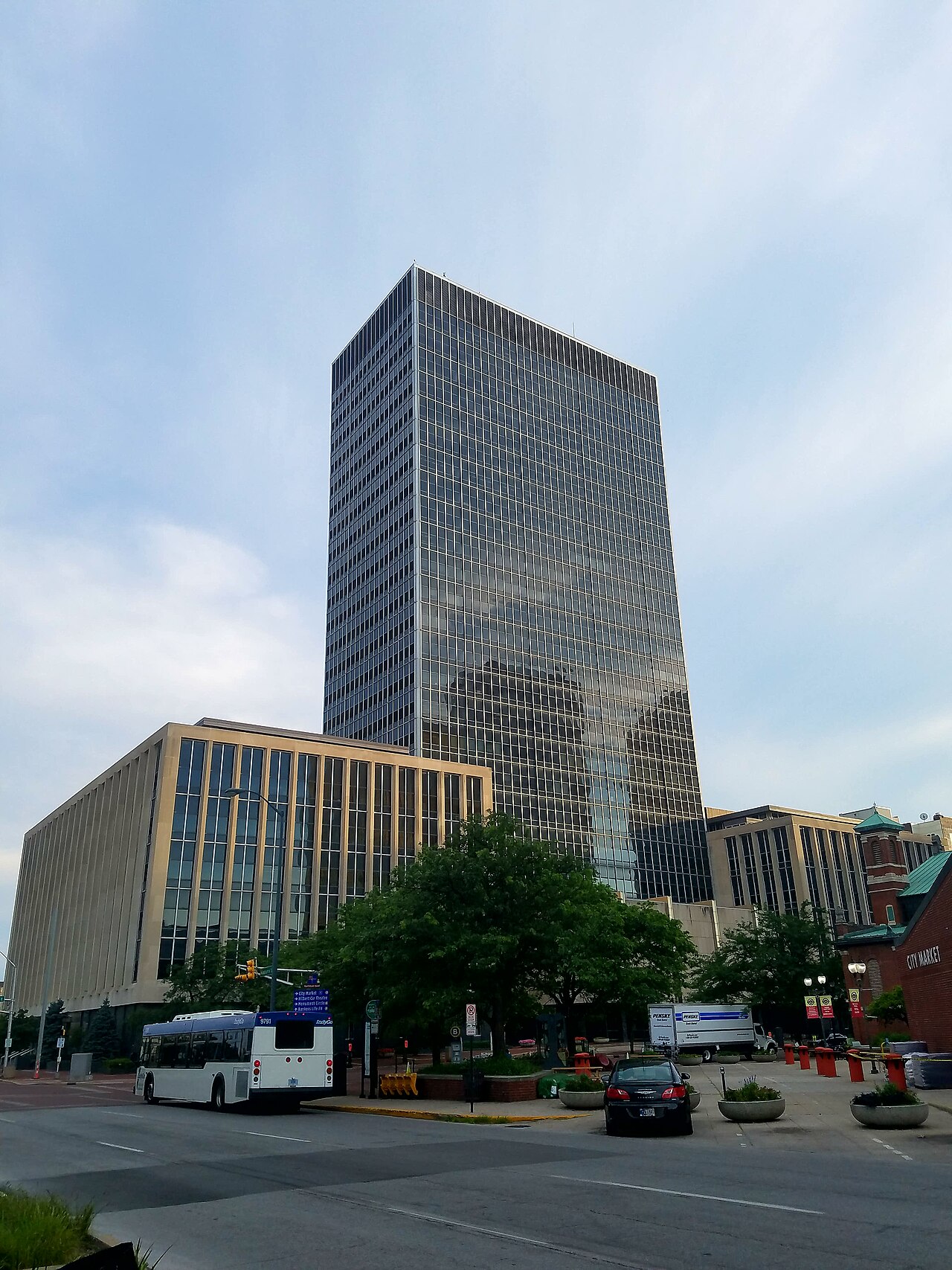
Election Day in Indianapolis: Six to Six, Photo ID, and a Finish Line at 6 p.m.
The earliest poll closing in the region (6 p.m.), a photo ID rule that rejects student IDs, vote-anywhere centers in Marion County, and a secretary of state's race as the main event.
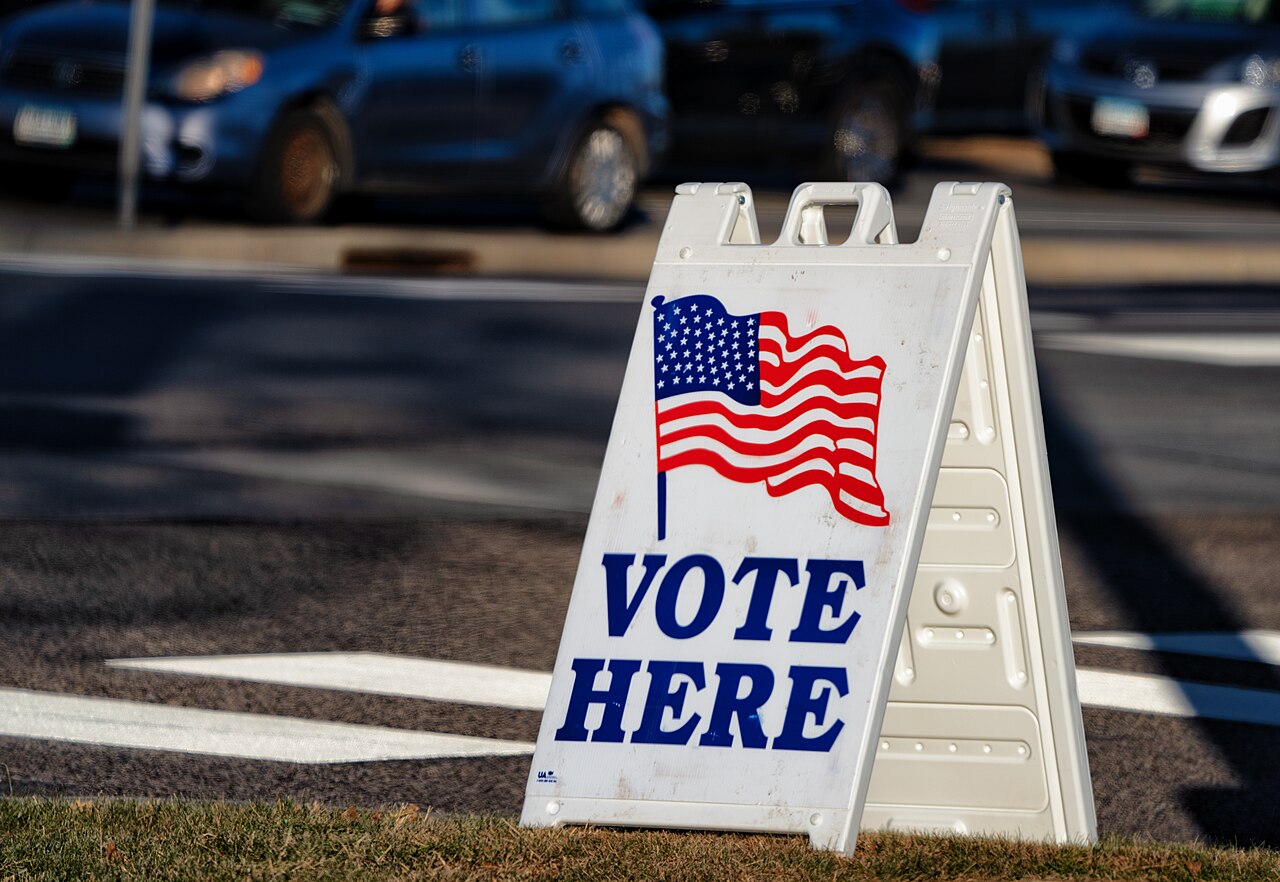
Indiana keeps Election Day short and strict. Polls are open Tuesday, Nov. 3, from 6 a.m. to 6 p.m. local time — the earliest closing time in the region — and the state requires every in-person voter to present a government-issued photo ID: an Indiana driver's license or state photo ID card, a U.S. passport, or a military ID. The ID must carry your photo and an expiration date that is current or expired only since the last general election. One Indiana-specific warning belongs in bold: student IDs, even from public universities, are not accepted.
Marion County voters have the state's most flexible geography. The county runs vote centers — well over a hundred locations on Election Day — and a registered voter may use any of them, not an assigned precinct. The list and the wait times run through the county's election board site and the state's voter portal at indianavoters.com, which also produces a personalized sample ballot. Early in-person voting ended at noon on Monday, Nov. 2; from here, Tuesday's twelve hours are the whole election.
Mail ballots in Indiana are excuse-based and deadline-hard: a completed absentee ballot must be received by the county election board by 6 p.m. Tuesday, postmark irrelevant. Anyone holding one on Tuesday should hand-deliver it to the county election board rather than trust the mail. Voters who arrive without an acceptable ID may cast a provisional ballot — it counts if they present valid ID or an exemption to the county election board by noon on the tenth day after the election.
The top of Indiana's ballot is not the presidency or a Senate race — neither of the state's senators is up this year. It is the race for Secretary of State, the office that runs Indiana's elections themselves, contested this cycle by four candidates and rated among the state's most competitive in years. All nine U.S. House seats, the state House and half the state Senate, judges, school boards, and county offices follow.
And two questions of constitutional text wait at the end: amendments on when judges may deny bail to defendants, and on where city and town court judges may live. Note the machinery: a straight-party ticket choice does not answer the constitutional questions — they must be voted separately, or they are not voted at all. Polls close at 6. Indiana's Election Day rewards the early.