The Park the River Built: White River State Park and the Canal
A canal that bankrupted the state, two museums, the NCAA's home, and a ballpark: White River State Park is Indianapolis's front room, built on its industrial back yard.
Downtown Indianapolis holds a park that contains a canal, a zoo's skyline view, two museums, a minor-league ballpark's outfield, and the national headquarters of the NCAA — and its name is a river. White River State Park spreads some 250 acres along the White River's east bank, assembled since the 1980s on land that industry had used and the city reclaimed, and it functions as the capital's central green in a way the Monument Circle's ceremony cannot.
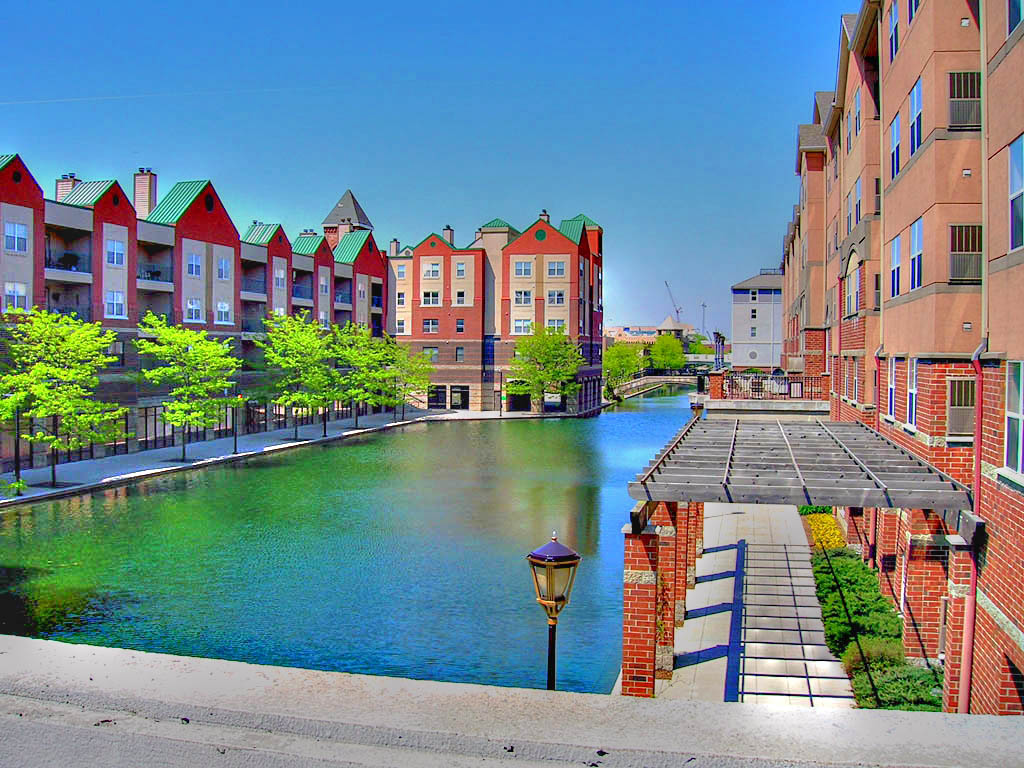
The park's spine is the Central Canal — the surviving downtown reach of Indiana's 1830s canal dream, dug for the Wabash and Erie system that bankrupted the state and never reached its intended mileage. Rebuilt as an amenity in the 1980s and 90s, the canal's lower basin runs three miles through downtown at a level below the streets: paddle boats and gondolas in season, runners and strollers on the towpaths year-round, the water delivering the downtown skyline in reflection.
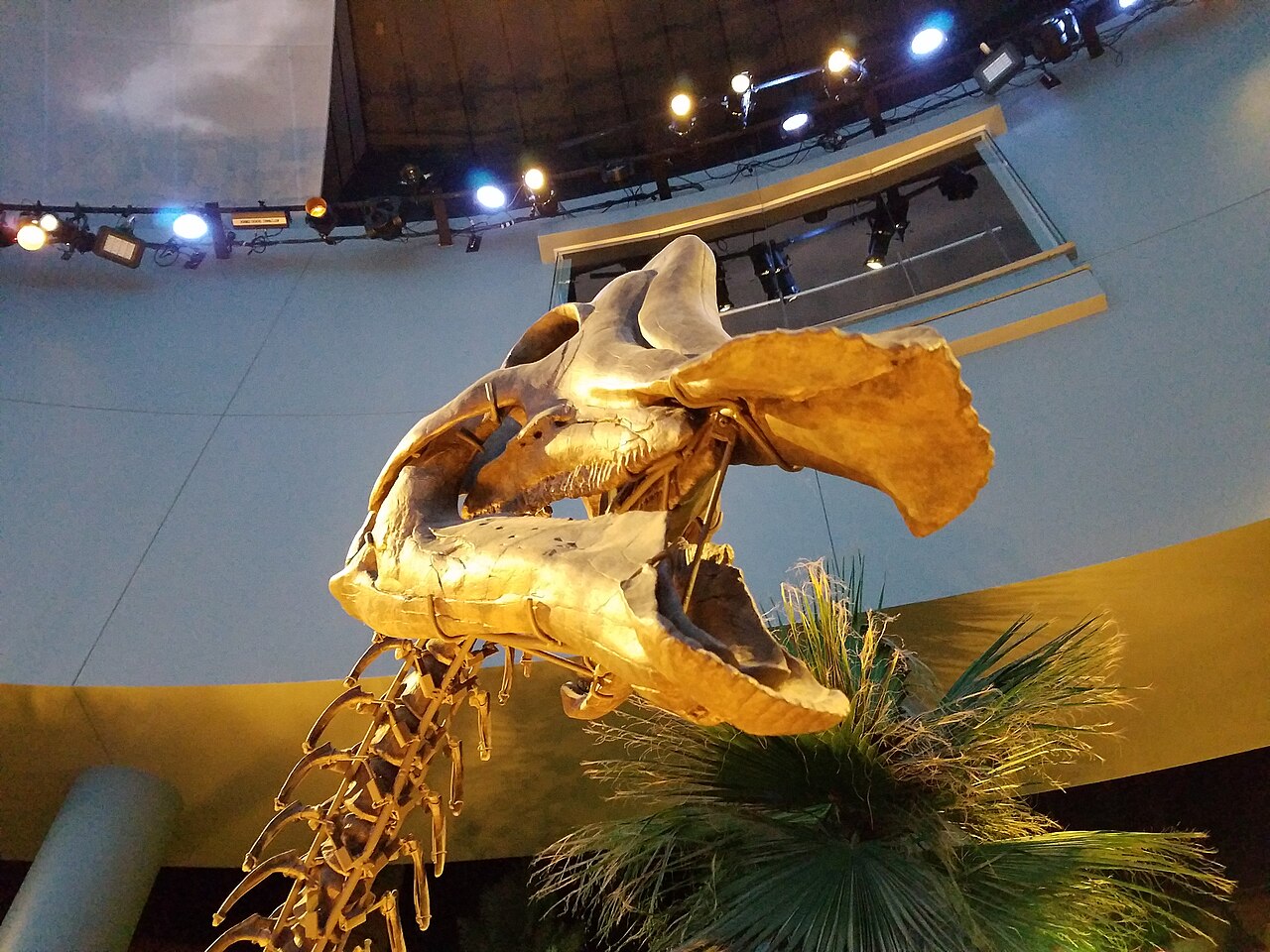
The institutions line the banks in a deliberate row. The Indiana State Museum tells the state's story from mastodons to motorsports in a building of Indiana limestone and glass. The Eiteljorg Museum holds one of the finest collections of Native American and Western art east of the Rockies. The NCAA's headquarters and Hall of Champions close the row with college sports' own museum. Across the river, the Indianapolis Zoo and its botanical White River Gardens complete the circuit, connected by the park's bridges and trails.
The park also works for a living: Victory Field, the Triple-A Indianapolis Indians' ballpark — regularly ranked among the finest minor-league parks in America — sits at the park's southwest corner, its outfield lawn aimed at the skyline. The White River itself, long the city's industrial back door, is mid-reinvention, its banks planned as the region's next great public realm.
November empties the canal boats and crowds the museums; the park's lawns take the frost; the river runs cold and increasingly clean past the institutions built to celebrate the state it drains. Indianapolis was sited in 1820 for a river its founders hoped would carry commerce. It took two hundred years, but the riverfront became the city's front room after all — by recreation, which the founders' generation would have found a strange and acceptable trade.